Quick Answer
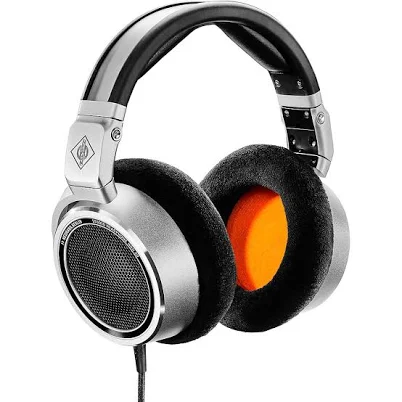
Neumann NDH 30 Open-Back Studio Headphones
Top pick — An outstanding reference headphone for professional mixing and mastering, excelling in studio environments.
See full comparison →Sennheiser HD 560S Headphones
Top pick — A top choice for critical listening and mixing at an affordable price, best for home or studio use.
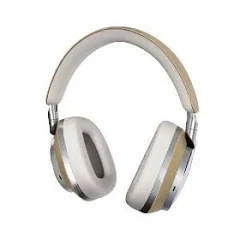
See full comparison →Bowers & Wilkins Px8 S2 Wireless Headphones
Top pick — A luxury wireless option with outstanding sound and noise cancellation, ideal for discerning listeners seeking premium comfort and style.
See full comparison →At a Glance
| Product | Score | Price | Key Specs |
|---|---|---|---|
| Sennheiser HD 560S Headphones | 88 | Premium | type: Open-backimpedance: 120Ωcable: 3m detachable |
| Bowers & Wilkins Px8 S2 Wireless Headphones | 90 | High-end | type: Closed-backWirelessbattery life: 30hANC: Adaptive |
| Audio Technica ATH-M50X Headphones | 85 | Premium | type: Closed-backimpedance: 38Ωcable: Detachable (3 cables included) |
| Sennheiser HD 620S Closed-Back Headphones | 87 | Premium | type: Closed-backimpedance: 150Ωcable: Detachable |
| Audeze MM-100 Professional Planar Magnetic Headphones | 89 | Premium | type: Open-backPlanar Magneticimpedance: 18Ωweight: 475g |
| Sennheiser MOMENTUM 4 Wireless Headphones | 86 | Premium | type: Closed-backWirelessbattery life: 60hANC: Adaptive |
| Beats Studio Pro Wireless Headphones | 83 | Premium | type: Closed-backWirelessbattery life: 40hANC: Yes |
| Adam Audio H200 Headphones | 84 | Premium | type: Closed-backimpedance: 40Ωweight: 290g |
| Neumann NDH 30 Open-Back Studio Headphones | 91 | High-end | type: Open-backimpedance: 120Ωcable: Detachable |
| Sony MDR-M1 Professional Reference Closed Monitor Headphones | 86 | Premium | type: Closed-backimpedance: 24Ωcable: Detachable |
What to Look For
Open-Back vs. Closed-Back Design
Open-back headphones excel at delivering a natural, spacious soundstage ideal for home listening, while closed-back models provide isolation suited to shared environments. Your listening space should guide this choice as much as any sonic preference.
Driver Technology Explained
Dynamic drivers offer efficiency and versatility, while planar magnetic drivers are prized for ultra-low distortion and detail retrieval. Both technologies can achieve exceptional fidelity at the premium tier — the right choice depends on your amplification setup and listening priorities.
The Role of Amplification
Many audiophile headphones require a dedicated headphone amplifier or DAC-amplifier combination to perform at their best. Matching your headphones to appropriate source equipment is one of the highest-impact upgrades available to serious listeners in 2026.
Comfort for Long Listening Sessions
High-fidelity listening often means extended sessions. Prioritize headphones with well-padded ear cups, breathable materials, and an adjustable headband. Physical comfort directly affects how long you can enjoy music without distraction or fatigue.
Wired vs. Wireless Fidelity
Wired connections remain the gold standard for uncompromised audio quality, but modern wireless codecs have narrowed the gap significantly. Audiophiles who value convenience without abandoning quality should look for headphones supporting high-resolution Bluetooth transmission.
How We Chose
When evaluating the category of audiophile headphones high fidelity sound seekers gravitate toward, we focused on the characteristics that consistently separate genuinely high-resolution listening experiences from ordinary consumer audio. The criteria centered on driver technology, frequency response accuracy, soundstage width, and build quality. We also considered how well different headphone designs serve different listening environments — whether that means a dedicated home listening room, a professional studio, or a commuter's daily routine. In 2026, the market has matured considerably, offering listeners more choice than ever across open-back, closed-back, and planar magnetic designs. Rather than chasing specifications alone, we prioritized how a headphone's engineering translates into real-world listening pleasure — the ability to hear subtle details in recordings, experience natural instrument separation, and enjoy extended sessions without fatigue. Comfort, cable quality, and long-term durability also factored heavily into our thinking, since audiophile headphones represent a meaningful investment that should reward listeners for years.
How We Chose
When evaluating the category of audiophile headphones high fidelity sound seekers gravitate toward, we focused on the characteristics that consistently separate genuinely high-resolution listening experiences from ordinary consumer audio. The criteria centered on driver technology, frequency response accuracy, soundstage width, and build quality. We also considered how well different headphone designs serve different listening environments — whether that means a dedicated home listening room, a professional studio, or a commuter's daily routine. In 2026, the market has matured considerably, offering listeners more choice than ever across open-back, closed-back, and planar magnetic designs. Rather than chasing specifications alone, we prioritized how a headphone's engineering translates into real-world listening pleasure — the ability to hear subtle details in recordings, experience natural instrument separation, and enjoy extended sessions without fatigue. Comfort, cable quality, and long-term durability also factored heavily into our thinking, since audiophile headphones represent a meaningful investment that should reward listeners for years.
Key Trade-offs
The most fundamental tradeoff in this category is between open-back and closed-back designs. Open-back headphones typically deliver a wider, more natural soundstage that mimics the experience of listening to speakers in a room, making them the preferred choice for critical home listening and studio reference work. However, they leak sound in both directions, making them impractical in shared spaces or noisy environments. Closed-back designs offer isolation and privacy but can sometimes produce a more enclosed, in-your-head sound signature that some listeners find less immersive. A second major tradeoff exists between dynamic driver and planar magnetic technology. Planar magnetic headphones are celebrated for their exceptionally low distortion and precise transient response, but they tend to be heavier and often require a dedicated headphone amplifier to reach their full potential. Dynamic driver models are generally more efficient and easier to drive from portable sources, though premium examples can match planar magnetics in many performance areas. Wireless convenience is another consideration — Bluetooth audiophile headphones have improved dramatically in 2026 thanks to high-resolution codecs, but a wired connection still maintains a measurable edge for the most demanding listeners. Budget allocation also matters: spending more on the headphones themselves versus investing in a quality digital-to-analog converter or amplifier can dramatically change the outcome of your setup.
Key Trade-offs
The most fundamental tradeoff in this category is between open-back and closed-back designs. Open-back headphones typically deliver a wider, more natural soundstage that mimics the experience of listening to speakers in a room, making them the preferred choice for critical home listening and studio reference work. However, they leak sound in both directions, making them impractical in shared spaces or noisy environments. Closed-back designs offer isolation and privacy but can sometimes produce a more enclosed, in-your-head sound signature that some listeners find less immersive. A second major tradeoff exists between dynamic driver and planar magnetic technology. Planar magnetic headphones are celebrated for their exceptionally low distortion and precise transient response, but they tend to be heavier and often require a dedicated headphone amplifier to reach their full potential. Dynamic driver models are generally more efficient and easier to drive from portable sources, though premium examples can match planar magnetics in many performance areas. Wireless convenience is another consideration — Bluetooth audiophile headphones have improved dramatically in 2026 thanks to high-resolution codecs, but a wired connection still maintains a measurable edge for the most demanding listeners. Budget allocation also matters: spending more on the headphones themselves versus investing in a quality digital-to-analog converter or amplifier can dramatically change the outcome of your setup.
What Matters Most
For anyone serious about audiophile headphones high fidelity sound reproduction, several factors deserve careful attention before purchasing. First, consider your source equipment — even the finest headphones will underperform when paired with a weak amplifier or low-quality audio files. Lossless and high-resolution audio formats are essential companions to this category. Second, think honestly about your listening environment and habits. If you listen primarily at a desk or in a dedicated room, open-back headphones will likely bring you the most satisfaction. If you travel frequently or share living spaces, a premium closed-back or noise-cancelling design may serve you better without sacrificing too much fidelity. Third, pay attention to impedance and sensitivity ratings, as these determine how easily a headphone can be driven to satisfying volume levels. High-impedance models often reward listeners who invest in proper amplification. Fourth, comfort should never be an afterthought — headphones that cause discomfort during long sessions will be abandoned regardless of their sonic qualities. Look for adjustable headbands, quality ear pad materials, and balanced weight distribution. Finally, trust your own ears whenever possible. Sound signature preferences — whether you favor a neutral, reference-grade tuning or a slightly warmer, more musical presentation — are deeply personal, and no specification sheet can substitute for the experience of actually listening.
What Matters Most
For anyone serious about audiophile headphones high fidelity sound reproduction, several factors deserve careful attention before purchasing. First, consider your source equipment — even the finest headphones will underperform when paired with a weak amplifier or low-quality audio files. Lossless and high-resolution audio formats are essential companions to this category. Second, think honestly about your listening environment and habits. If you listen primarily at a desk or in a dedicated room, open-back headphones will likely bring you the most satisfaction. If you travel frequently or share living spaces, a premium closed-back or noise-cancelling design may serve you better without sacrificing too much fidelity. Third, pay attention to impedance and sensitivity ratings, as these determine how easily a headphone can be driven to satisfying volume levels. High-impedance models often reward listeners who invest in proper amplification. Fourth, comfort should never be an afterthought — headphones that cause discomfort during long sessions will be abandoned regardless of their sonic qualities. Look for adjustable headbands, quality ear pad materials, and balanced weight distribution. Finally, trust your own ears whenever possible. Sound signature preferences — whether you favor a neutral, reference-grade tuning or a slightly warmer, more musical presentation — are deeply personal, and no specification sheet can substitute for the experience of actually listening.
Our Picks
Neumann NDH 30 Open-Back Studio Headphones
Best OverallPros
Cons
Sennheiser HD 560S Headphones
Best ValuePros
Cons
Bowers & Wilkins Px8 S2 Wireless Headphones
Best PremiumPros
Cons
Who Should Buy What
Neumann NDH 30 Open-Back Studio Headphones
Best OverallAn outstanding reference headphone for professional mixing and mastering, excelling in studio environments.
View in Comparison →Sennheiser HD 560S Headphones
Best ValueA top choice for critical listening and mixing at an affordable price, best for home or studio use.
View in Comparison →Bowers & Wilkins Px8 S2 Wireless Headphones
Best PremiumA luxury wireless option with outstanding sound and noise cancellation, ideal for discerning listeners seeking premium comfort and style.
View in Comparison →Who Should Buy What
Neumann NDH 30 Open-Back Studio Headphones
Best OverallAn outstanding reference headphone for professional mixing and mastering, excelling in studio environments.
View in Comparison →Sennheiser HD 560S Headphones
Best ValueA top choice for critical listening and mixing at an affordable price, best for home or studio use.
View in Comparison →Bowers & Wilkins Px8 S2 Wireless Headphones
Best PremiumA luxury wireless option with outstanding sound and noise cancellation, ideal for discerning listeners seeking premium comfort and style.
View in Comparison →