Quick Answer
Root Board Game
Top pick — Ideal for strategy enthusiasts and groups seeking complex, rewarding gameplay.
See full comparison →Catan The Game 6th Edition
Top pick — A staple for strategy fans and family game nights with older kids.
See full comparison →Asmodee Ticket to Ride Board Game
Top pick — Best for families and mixed-age groups looking for strategic, yet approachable play.
See full comparison →At a Glance
| Product | Score | Price | Key Specs |
|---|---|---|---|
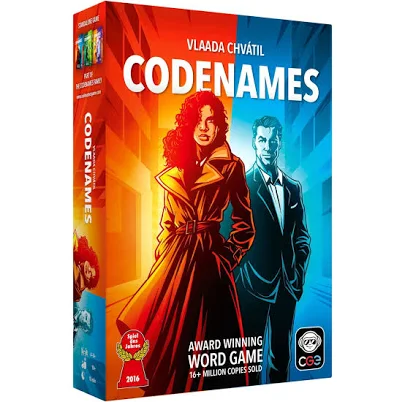
| CGE Codenames Board Game | 88 | Budget | players: 2-8play time: 15 minage: 14+ |
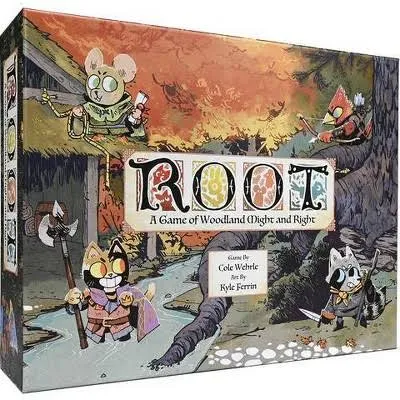
| Root Board Game | 92 | Budget | players: 2-4play time: 60-90 minage: 10+ |
| Monopoly GO! Board Game | 80 | Budget | players: 2-6play time: 30 minage: 8+ |
| Candy Land Board Game | 77 | Budget | players: 2-4play time: 15-20 minage: 3+ |
| Grab The Mic 2025 Edition Family Karaoke Board Game | 81 | Budget | players: 2+play time: Variesage: 8+ |
| Catan The Game 6th Edition | 91 | Budget | players: 3-4play time: 60-90 minage: 10+ |
| Asmodee Ticket to Ride Board Game | 89 | Budget | players: 2-5play time: 30-60 minage: 8+ |
| TeeTurtle Unstable Unicorns Diamond Edition | 83 | Budget | players: 2-8play time: 30-45 minage: 8+ |
| Command of Nature Base Game | 78 | Budget | players: 2-4play time: 20-40 minage: 10+ |
| Brotherwise Games Empire's End | 85 | Budget | players: 2-4play time: 45-60 minage: 10+ |
What to Look For
Player Count Flexibility
Look for games that play well across a range of group sizes. A game that works for two players on a quiet evening and scales up to six for a party night gives you far more value than one locked into a narrow sweet spot.
Replay Value
The best board games offer variability through randomized setups, modular boards, or asymmetric player roles. High replay value means your investment pays off over dozens of sessions rather than a handful of plays before the experience feels stale.
Rulebook Clarity
A well-written rulebook is underrated. Games with clear, example-rich instructions get to the table faster and cause fewer arguments. Check whether a game has tutorial videos or a strong online community that can answer rules questions quickly.
Component Quality
Thick cardboard, sturdy tokens, and well-designed inserts improve every session. Inspect component reviews before buying, especially for games you plan to play frequently, since flimsy pieces wear out quickly and can diminish the overall experience.
Theme and Tone Match
Choose a theme that genuinely excites your group. Fantasy, mystery, economic strategy, and cooperative storytelling all attract different players. A mechanically sound game with a theme nobody connects with will struggle to make it off the shelf on game night.
How We Chose
Choosing standout board games means looking beyond flashy box art and marketing buzz. We evaluated games across several dimensions: replay value, accessibility for new players, scalability across different group sizes, and the quality of physical components. A great board game should feel rewarding on the first play and reveal new layers of strategy or storytelling over dozens of sessions. We also considered how well rulebooks are written, because even a brilliantly designed game falls flat if nobody can figure out how to start. Community reception matters too — games that generate genuine enthusiasm at game nights, not just online hype, tend to earn their reputation honestly. Finally, we weighed the balance between complexity and fun, because the best experiences are not always the most complicated ones.
How We Chose
Choosing standout board games means looking beyond flashy box art and marketing buzz. We evaluated games across several dimensions: replay value, accessibility for new players, scalability across different group sizes, and the quality of physical components. A great board game should feel rewarding on the first play and reveal new layers of strategy or storytelling over dozens of sessions. We also considered how well rulebooks are written, because even a brilliantly designed game falls flat if nobody can figure out how to start. Community reception matters too — games that generate genuine enthusiasm at game nights, not just online hype, tend to earn their reputation honestly. Finally, we weighed the balance between complexity and fun, because the best experiences are not always the most complicated ones.
Key Trade-offs
The biggest tradeoff in board game shopping is complexity versus accessibility. Heavier strategy games reward dedicated players with deep, satisfying decisions, but they can alienate casual participants and lead to analysis paralysis that drags sessions on for hours. On the other end of the spectrum, lighter party games are easy to pick up but may feel shallow after a few plays. Another major tradeoff is player count flexibility. Some games shine brilliantly at exactly four players but become awkward or unbalanced at two or six. If your group size varies, prioritize games with wide player count ranges or strong two-player variants. Component quality is a third consideration — premium wooden pieces and thick cardstock feel wonderful but drive up cost, while budget-friendly games sometimes cut corners in ways that affect durability. Finally, think about theme versus mechanics. Some players are drawn in by immersive themes like fantasy exploration or historical trade routes, while others care primarily about the underlying mechanical puzzle. The best games marry both, but knowing your preference helps narrow choices quickly.
Key Trade-offs
The biggest tradeoff in board game shopping is complexity versus accessibility. Heavier strategy games reward dedicated players with deep, satisfying decisions, but they can alienate casual participants and lead to analysis paralysis that drags sessions on for hours. On the other end of the spectrum, lighter party games are easy to pick up but may feel shallow after a few plays. Another major tradeoff is player count flexibility. Some games shine brilliantly at exactly four players but become awkward or unbalanced at two or six. If your group size varies, prioritize games with wide player count ranges or strong two-player variants. Component quality is a third consideration — premium wooden pieces and thick cardstock feel wonderful but drive up cost, while budget-friendly games sometimes cut corners in ways that affect durability. Finally, think about theme versus mechanics. Some players are drawn in by immersive themes like fantasy exploration or historical trade routes, while others care primarily about the underlying mechanical puzzle. The best games marry both, but knowing your preference helps narrow choices quickly.
What Matters Most
Before buying any board game in 2026, ask yourself three questions. First, who will be playing? A household with young children needs something different from a group of competitive strategy enthusiasts or a casual friend group that meets monthly. Age recommendations on boxes are a starting point, but reading community feedback about real-world playability with different audiences is more reliable. Second, how much time do you realistically have? Games range from fifteen-minute fillers to multi-hour epics, and the best game in the world collects dust if it never fits into your schedule. Third, how much table space and storage do you have? Some modern games come with enormous boards, dozens of miniatures, and expansions that demand dedicated shelf space. Measuring your available storage before purchasing prevents buyer's remorse. Beyond those questions, pay attention to whether a game offers a solo mode if you sometimes want to play alone, and check whether popular expansions are readily available so your investment can grow over time. Ultimately, the best board games are the ones that match your specific context — your people, your time, and your appetite for challenge.
What Matters Most
Before buying any board game in 2026, ask yourself three questions. First, who will be playing? A household with young children needs something different from a group of competitive strategy enthusiasts or a casual friend group that meets monthly. Age recommendations on boxes are a starting point, but reading community feedback about real-world playability with different audiences is more reliable. Second, how much time do you realistically have? Games range from fifteen-minute fillers to multi-hour epics, and the best game in the world collects dust if it never fits into your schedule. Third, how much table space and storage do you have? Some modern games come with enormous boards, dozens of miniatures, and expansions that demand dedicated shelf space. Measuring your available storage before purchasing prevents buyer's remorse. Beyond those questions, pay attention to whether a game offers a solo mode if you sometimes want to play alone, and check whether popular expansions are readily available so your investment can grow over time. Ultimately, the best board games are the ones that match your specific context — your people, your time, and your appetite for challenge.
Our Picks
Root Board Game
Best OverallPros
Cons
Catan The Game 6th Edition
Best ValuePros
Cons

Asmodee Ticket to Ride Board Game
Best PremiumPros
Cons
Who Should Buy What
Root Board Game
Best OverallIdeal for strategy enthusiasts and groups seeking complex, rewarding gameplay.
View in Comparison →Catan The Game 6th Edition
Best ValueA staple for strategy fans and family game nights with older kids.
View in Comparison →Asmodee Ticket to Ride Board Game
Best PremiumBest for families and mixed-age groups looking for strategic, yet approachable play.
View in Comparison →Who Should Buy What
Root Board Game
Best OverallIdeal for strategy enthusiasts and groups seeking complex, rewarding gameplay.
View in Comparison →Catan The Game 6th Edition
Best ValueA staple for strategy fans and family game nights with older kids.
View in Comparison →Asmodee Ticket to Ride Board Game
Best PremiumBest for families and mixed-age groups looking for strategic, yet approachable play.
View in Comparison →