Quick Answer
Bose QuietComfort Ultra Headphones Wireless Noise Cancelling
Top pick — The top choice for audiophiles and frequent travelers seeking the best noise cancellation and comfort in 2026.
See full comparison →Sony WH-1000XM5 Noise Canceling Wireless Headphones
Top pick — A flagship choice for those wanting a blend of top-tier ANC, sound quality, and modern features.
See full comparison →Sennheiser MOMENTUM 4 Wireless Headphones
Top pick — Best for audiophiles and professionals who value sound quality and exceptional battery endurance.
See full comparison →At a Glance
| Product | Score | Price | Key Specs |
|---|---|---|---|
| Anker Soundcore Q20i Hybrid Active Noise Cancelling Headphones | 77 | Budget | battery: 40hdriver: 40mm |
| Sony Wireless Noise Canceling Headphones | 82 | Mid-range | battery: 35hdriver: 30mm |
| Beats Studio Pro Wireless Headphones | 86 | Premium | battery: 40hdriver: 40mm |
| Skullcandy Crusher Evo Wireless Over-Ear Headphones | 81 | Premium | battery: 40hdriver: 40mm |
| Bose QuietComfort Ultra Headphones Wireless Noise Cancelling | 94 | Mid-range | battery: 24hdriver: 35mm |
| JLab JBuds Lux ANC Headphones | 79 | Mid-range | battery: 40hdriver: 40mm |
| Sennheiser MOMENTUM 4 Wireless Headphones | 91 | Premium | battery: 60hdriver: 42mm |
| JBL Live 770NC Wireless Noise Cancelling Over Ear Headphones | 84 | Mid-range | battery: 50hdriver: 40mm |
| Bose QuietComfort Headphones | 89 | Premium | battery: 24hdriver: 35mm |
| Sony WH-1000XM5 Noise Canceling Wireless Headphones | 93 | Mid-range | battery: 30hdriver: 30mm |
What to Look For
Ear Pad Material Makes or Breaks Long Sessions
Memory foam ear pads with breathable fabric covers offer the best combination of cushioning and airflow for extended wear. Leatherette seals better for noise isolation but traps heat. Velour is the most breathable option but provides the least passive isolation. Match your pad material to your primary environment and session length.
Clamping Force: The Hidden Comfort Factor
Clamping force — how tightly the headphones grip your head — is one of the least discussed but most impactful comfort variables. A lighter clamp feels more relaxed but may shift during movement. A firmer clamp improves stability and passive isolation but causes temple pressure over time. Look for models with adjustable tension or a wide headband that distributes force evenly.
Weight Distribution Matters More Than Total Weight
A heavier headphone with an excellent suspended headband design can feel lighter in practice than a technically lighter model with a rigid, narrow headband. Look for wide headbands, padded suspension systems, and balanced ear cup weight to ensure pressure is spread across your head rather than concentrated at a single contact point.
Glasses Wearers Need Special Consideration
Over ear headphones create additional pressure where ear cup edges meet the temple arms of glasses. Deeper ear cups with softer outer rims dramatically reduce this issue. If you wear glasses regularly, prioritize ear cup depth and cushion softness at the edges, and consider models specifically noted for wide ear cup openings that accommodate temple arms without compression.
Replaceability Extends Comfort Over Time
Ear pads compress and lose their cushioning properties after months of regular use. Choosing headphones with easily replaceable ear pads means you can restore the original comfort level without buying a new pair. In 2026, many manufacturers offer aftermarket pad upgrades in different materials, giving you the flexibility to switch from leatherette to velour as your needs change.
How We Chose
When evaluating the best over ear headphones for comfort, we focused on the physical characteristics that determine how a headset feels after one hour, two hours, and beyond. Clamping force is one of the most critical factors — too tight and you'll feel pressure on your temples within minutes; too loose and the headphones slip and require constant readjustment. We also prioritized ear cup depth and diameter, since shallow cups press directly against the ear rather than surrounding it, causing fatigue and discomfort over time. Headband padding design matters enormously as well. Suspended headbands that distribute weight across a wider surface area consistently outperform rigid headbands with a single strip of foam. Weight is another key metric — every gram adds up during a four-hour listening session, and lighter builds made from quality plastics or aluminum alloys tend to win out for all-day wear. Finally, we considered breathability of ear pad materials, since memory foam wrapped in genuine or synthetic leather retains heat, while fabric and velour alternatives keep ears cooler during warmer months or intense focus sessions.
How We Chose
When evaluating the best over ear headphones for comfort, we focused on the physical characteristics that determine how a headset feels after one hour, two hours, and beyond. Clamping force is one of the most critical factors — too tight and you'll feel pressure on your temples within minutes; too loose and the headphones slip and require constant readjustment. We also prioritized ear cup depth and diameter, since shallow cups press directly against the ear rather than surrounding it, causing fatigue and discomfort over time. Headband padding design matters enormously as well. Suspended headbands that distribute weight across a wider surface area consistently outperform rigid headbands with a single strip of foam. Weight is another key metric — every gram adds up during a four-hour listening session, and lighter builds made from quality plastics or aluminum alloys tend to win out for all-day wear. Finally, we considered breathability of ear pad materials, since memory foam wrapped in genuine or synthetic leather retains heat, while fabric and velour alternatives keep ears cooler during warmer months or intense focus sessions.
Key Trade-offs
Comfort and audio isolation often pull in opposite directions. Softer, more breathable fabric ear pads feel gentler on the skin but allow more ambient noise to bleed in compared to dense memory foam with leatherette covers. If you prioritize passive noise isolation or use active noise cancellation frequently, you may need to accept slightly warmer ears during longer sessions. Weight is another tradeoff worth understanding. Premium materials like stainless steel headbands add durability and a premium feel but increase overall weight, which can cause neck and head fatigue over many hours. Conversely, lightweight plastic builds are easier to wear all day but may feel less robust. Battery life in wireless models also intersects with comfort — larger batteries mean longer playtime but add weight to the ear cups. Buyers who primarily use headphones at a desk may prefer a wired option to eliminate battery weight entirely, while commuters and travelers will likely find the freedom of wireless worth the slight added heft. Ear cup swivel range is a smaller but meaningful consideration; cups that pivot and rotate freely conform better to individual head shapes, reducing uneven pressure points.
Key Trade-offs
Comfort and audio isolation often pull in opposite directions. Softer, more breathable fabric ear pads feel gentler on the skin but allow more ambient noise to bleed in compared to dense memory foam with leatherette covers. If you prioritize passive noise isolation or use active noise cancellation frequently, you may need to accept slightly warmer ears during longer sessions. Weight is another tradeoff worth understanding. Premium materials like stainless steel headbands add durability and a premium feel but increase overall weight, which can cause neck and head fatigue over many hours. Conversely, lightweight plastic builds are easier to wear all day but may feel less robust. Battery life in wireless models also intersects with comfort — larger batteries mean longer playtime but add weight to the ear cups. Buyers who primarily use headphones at a desk may prefer a wired option to eliminate battery weight entirely, while commuters and travelers will likely find the freedom of wireless worth the slight added heft. Ear cup swivel range is a smaller but meaningful consideration; cups that pivot and rotate freely conform better to individual head shapes, reducing uneven pressure points.
What Matters Most
In 2026, the over ear headphone market has matured to the point where comfort engineering is just as competitive as audio performance. The most important thing a buyer can do is honestly assess their use case. If you wear headphones for more than two hours at a stretch, prioritize clamping force adjustability, ear pad replaceability, and headband suspension design above all else. Replaceable ear pads are a long-term comfort investment — foam and cushioning materials compress and degrade over time, and being able to swap them out extends the life and comfort of your headphones significantly. For those sensitive to heat, actively seek out velour or mesh fabric ear pads rather than synthetic leather. If you wear glasses, look specifically for ear cups with a softer outer edge and deeper cavity, as the pressure points created where temple arms meet ear cups are a common complaint among glasses wearers. Finally, consider adjustability range — people with larger or smaller head circumferences need a headband that extends or contracts enough to sit naturally without forcing the cups into an awkward angle.
What Matters Most
In 2026, the over ear headphone market has matured to the point where comfort engineering is just as competitive as audio performance. The most important thing a buyer can do is honestly assess their use case. If you wear headphones for more than two hours at a stretch, prioritize clamping force adjustability, ear pad replaceability, and headband suspension design above all else. Replaceable ear pads are a long-term comfort investment — foam and cushioning materials compress and degrade over time, and being able to swap them out extends the life and comfort of your headphones significantly. For those sensitive to heat, actively seek out velour or mesh fabric ear pads rather than synthetic leather. If you wear glasses, look specifically for ear cups with a softer outer edge and deeper cavity, as the pressure points created where temple arms meet ear cups are a common complaint among glasses wearers. Finally, consider adjustability range — people with larger or smaller head circumferences need a headband that extends or contracts enough to sit naturally without forcing the cups into an awkward angle.
Our Picks
Bose QuietComfort Ultra Headphones Wireless Noise Cancelling
Best OverallPros
Cons
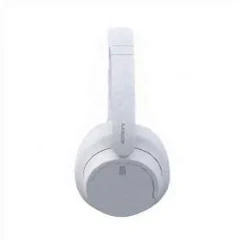
Sony WH-1000XM5 Noise Canceling Wireless Headphones
Best ValuePros
Cons
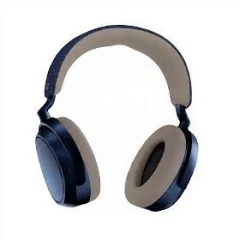
Sennheiser MOMENTUM 4 Wireless Headphones
Best PremiumPros
Cons
Who Should Buy What
Bose QuietComfort Ultra Headphones Wireless Noise Cancelling
Best OverallThe top choice for audiophiles and frequent travelers seeking the best noise cancellation and comfort in 2026.
View in Comparison →Sony WH-1000XM5 Noise Canceling Wireless Headphones
Best ValueA flagship choice for those wanting a blend of top-tier ANC, sound quality, and modern features.
View in Comparison →Sennheiser MOMENTUM 4 Wireless Headphones
Best PremiumBest for audiophiles and professionals who value sound quality and exceptional battery endurance.
View in Comparison →Who Should Buy What
Bose QuietComfort Ultra Headphones Wireless Noise Cancelling
Best OverallThe top choice for audiophiles and frequent travelers seeking the best noise cancellation and comfort in 2026.
View in Comparison →Sony WH-1000XM5 Noise Canceling Wireless Headphones
Best ValueA flagship choice for those wanting a blend of top-tier ANC, sound quality, and modern features.
View in Comparison →Sennheiser MOMENTUM 4 Wireless Headphones
Best PremiumBest for audiophiles and professionals who value sound quality and exceptional battery endurance.
View in Comparison →