Quick Answer
GreenStalk 7-Tier Vertical Planter
Top pick — A class-leading solution for serious home gardeners seeking high yield and low-maintenance watering.
See full comparison →GreenStalk Garden Original Vertical Planter
Top pick — Excellent for gardeners wanting a balance of capacity, durability, and convenient watering features.
See full comparison →.N/A 30-Pod Modular Hydroponic Tower Garden System
Top pick — Ideal for serious indoor growers wanting a scalable, efficient hydroponic system for year-round produce.
See full comparison →At a Glance
| Product | Score | Price | Key Specs |
|---|---|---|---|
| VEVOR Hydroponic Growing System | 84 | Mid-range | type: Hydroponiclevels: 4number of sites: 36 |
| Ihomegarden Vertical Garden Kit - 7-Tier Stackable Planter System with Wheels & Drainage Holes | 81 | Budget | type: Stackable Plantertiers: 7features: WheelsDrainage Holes |
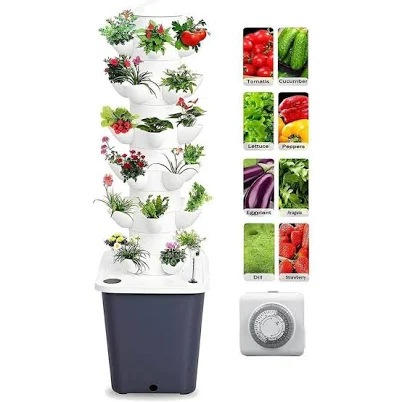
| .N/A 30-Pod Modular Hydroponic Tower Garden System | 86 | Premium | type: Hydroponic Towerpods: 30modularity: Yes |
| Docred 5-Tier Vertical Wooden Raised Garden Bed | 82 | Mid-range | type: Wooden Raised Bedtiers: 5material: Wood |
| 5 Tiers Vertical Garden Bed | 79 | Mid-range | type: Vertical Plantertiers: 5material: Plastic |
| Costway 5-tier Vertical Garden Planter Box Elevated Raised Bed w/5 Container | 80 | Mid-range | type: Elevated Plantertiers: 5containers: 5 |
| Vertical Garden On Wheels | 77 | Budget | type: Mobile Vertical Gardenmobility: Wheelstiers: Multiple |
| GreenStalk 7-Tier Vertical Planter | 88 | Budget | type: Stackable Plantertiers: 7watering: Central watering system |
| Costway 4-Tier Vertical Raised Garden Bed with 4 Containers & Drainage Hole | 78 | Mid-range | type: Vertical Raised Bedtiers: 4containers: 4 |
| GreenStalk Garden Original Vertical Planter | 85 | Budget | type: Stackable Plantertiers: 5watering: Central watering system |
What to Look For
Tier Count and Capacity
More tiers mean more plants, but also more weight and more complexity. Beginners often do better starting with a smaller configuration and expanding as they gain confidence. Always check the total plant capacity and the depth of each growing pocket before committing to a system.
Watering System Design
The hallmark of a quality vertical garden planter system is how it moves water from top to bottom. Look for internal channels or cascading reservoirs that distribute moisture evenly across all tiers. Systems that rely solely on surface watering tend to leave lower tiers dry and upper tiers waterlogged.
Material and Weather Resistance
Outdoor vertical planters face UV exposure, temperature swings, and moisture cycling year after year. UV-stabilized, food-safe plastics or powder-coated metals tend to hold up best over multiple growing seasons. Fabric pocket systems are excellent for root aeration but may need replacement more frequently in harsh climates.
Modularity and Expandability
Modular vertical garden systems let you add or remove tiers as your space and ambitions change. This flexibility is especially valuable for renters or gardeners who move frequently. Just verify that expansion components are readily available and that the connection points are robust enough to handle added weight.
Soil-Based vs. Hydroponic
Soil-based towers are forgiving, low-tech, and familiar to most gardeners. Hydroponic towers grow plants faster and use less water overall, but require electricity, nutrient solutions, and more monitoring. Choose based on your comfort level with technology and how much ongoing maintenance you're willing to commit to.
How We Chose
When evaluating vertical garden planter systems as a category, we focused on the factors that matter most to everyday gardeners: structural stability, water distribution efficiency, modularity, and long-term durability. We examined how different designs handle the unique challenges of stacking soil and plants vertically — challenges that simply don't exist with traditional horizontal containers. Systems that allow water to cascade evenly from tier to tier, rather than pooling at the top or draining too rapidly, consistently outperform those with poor irrigation engineering. We also considered how accessible each tier is for planting, harvesting, and maintenance, since a beautiful tower that's difficult to reach at the top quickly becomes a source of frustration rather than joy.
How We Chose
When evaluating vertical garden planter systems as a category, we focused on the factors that matter most to everyday gardeners: structural stability, water distribution efficiency, modularity, and long-term durability. We examined how different designs handle the unique challenges of stacking soil and plants vertically — challenges that simply don't exist with traditional horizontal containers. Systems that allow water to cascade evenly from tier to tier, rather than pooling at the top or draining too rapidly, consistently outperform those with poor irrigation engineering. We also considered how accessible each tier is for planting, harvesting, and maintenance, since a beautiful tower that's difficult to reach at the top quickly becomes a source of frustration rather than joy.
Key Trade-offs
The most important tradeoff in any vertical garden planter system is capacity versus footprint. Taller, multi-tier soil-based towers can grow a remarkable number of plants in a small ground area, but they become heavy when fully loaded and may require a stable surface or anchoring. Hydroponic tower systems, on the other hand, are often lighter and faster-growing but demand a power source for water pumps and more hands-on nutrient management. Modular systems offer flexibility — you can start small and expand — but the connectors and joints can become weak points over time. Fixed-tier planters tend to be sturdier but limit your ability to reconfigure as your gardening goals evolve. Material choice also plays a significant role: UV-stabilized plastics resist fading and cracking through multiple seasons, while fabric or felt pocket systems offer excellent aeration for roots but may degrade faster in harsh outdoor conditions.
Key Trade-offs
The most important tradeoff in any vertical garden planter system is capacity versus footprint. Taller, multi-tier soil-based towers can grow a remarkable number of plants in a small ground area, but they become heavy when fully loaded and may require a stable surface or anchoring. Hydroponic tower systems, on the other hand, are often lighter and faster-growing but demand a power source for water pumps and more hands-on nutrient management. Modular systems offer flexibility — you can start small and expand — but the connectors and joints can become weak points over time. Fixed-tier planters tend to be sturdier but limit your ability to reconfigure as your gardening goals evolve. Material choice also plays a significant role: UV-stabilized plastics resist fading and cracking through multiple seasons, while fabric or felt pocket systems offer excellent aeration for roots but may degrade faster in harsh outdoor conditions.
What Matters Most
For most home gardeners in 2026, the single most important feature to prioritize is water management. A vertical garden planter system that distributes moisture unevenly will produce inconsistent results regardless of how well you tend to it. Look for designs with internal watering channels, drip reservoirs, or interconnected chambers that ensure every planting pocket receives adequate hydration. Beyond watering, consider the volume of growing medium each pocket or tier can hold — shallow pockets limit you to herbs and lettuces, while deeper chambers open the door to tomatoes, peppers, and root vegetables. Finally, think honestly about your environment: full-sun outdoor spaces demand UV-resistant, heat-tolerant materials, while indoor or shaded setups may benefit from lighter, more decorative options. Matching the system to your specific conditions is the clearest path to a productive and rewarding vertical garden.
What Matters Most
For most home gardeners in 2026, the single most important feature to prioritize is water management. A vertical garden planter system that distributes moisture unevenly will produce inconsistent results regardless of how well you tend to it. Look for designs with internal watering channels, drip reservoirs, or interconnected chambers that ensure every planting pocket receives adequate hydration. Beyond watering, consider the volume of growing medium each pocket or tier can hold — shallow pockets limit you to herbs and lettuces, while deeper chambers open the door to tomatoes, peppers, and root vegetables. Finally, think honestly about your environment: full-sun outdoor spaces demand UV-resistant, heat-tolerant materials, while indoor or shaded setups may benefit from lighter, more decorative options. Matching the system to your specific conditions is the clearest path to a productive and rewarding vertical garden.
Our Picks
GreenStalk 7-Tier Vertical Planter
Best OverallPros
Cons
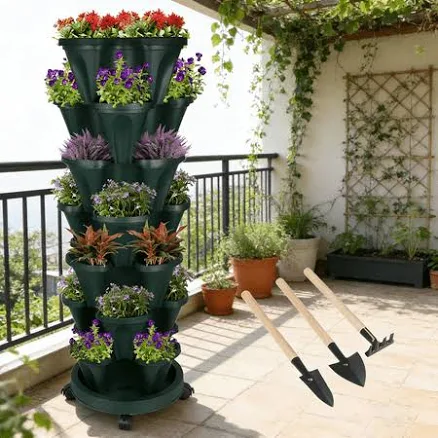
GreenStalk Garden Original Vertical Planter
Best ValuePros
Cons
.N/A 30-Pod Modular Hydroponic Tower Garden System
Best PremiumPros
Cons
Who Should Buy What
GreenStalk 7-Tier Vertical Planter
Best OverallA class-leading solution for serious home gardeners seeking high yield and low-maintenance watering.
View in Comparison →GreenStalk Garden Original Vertical Planter
Best ValueExcellent for gardeners wanting a balance of capacity, durability, and convenient watering features.
View in Comparison →.N/A 30-Pod Modular Hydroponic Tower Garden System
Best PremiumIdeal for serious indoor growers wanting a scalable, efficient hydroponic system for year-round produce.
View in Comparison →Who Should Buy What
GreenStalk 7-Tier Vertical Planter
Best OverallA class-leading solution for serious home gardeners seeking high yield and low-maintenance watering.
View in Comparison →GreenStalk Garden Original Vertical Planter
Best ValueExcellent for gardeners wanting a balance of capacity, durability, and convenient watering features.
View in Comparison →.N/A 30-Pod Modular Hydroponic Tower Garden System
Best PremiumIdeal for serious indoor growers wanting a scalable, efficient hydroponic system for year-round produce.
View in Comparison →